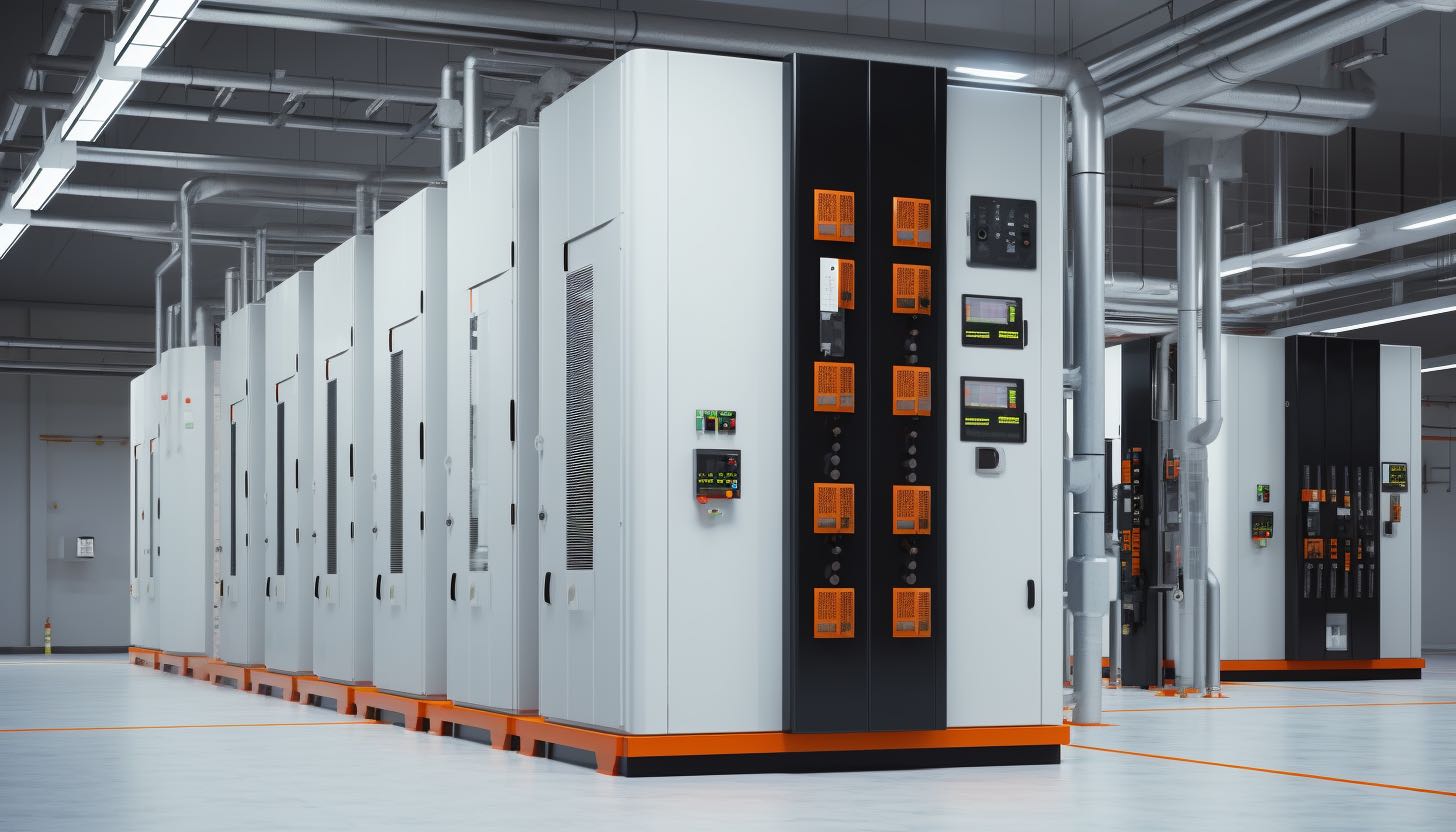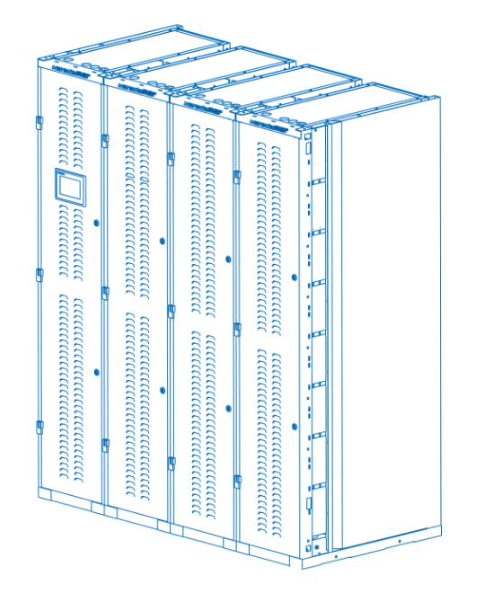
High-rate lithium battery for data-center UPS
The product was developed for the short-duration, high-power duty cycle of data-center uninterruptible power systems. The work started with market analysis and voice-of-customer research, then translated operating requirements into a combined hardware and software product scope.
The product needed to deliver a clear lifecycle and operational benefit while fitting existing UPS equipment, qualification practices and customer expectations.
Build a credible alternative to established UPS technology
The team had to understand customer runtime requirements, equipment configurations, qualification constraints and a competitive market with familiar incumbent technologies. A technically stronger product would not be enough on its own; the value proposition and total-cost assumptions also needed to be clear to the buyer.
Product leadership from discovery through validation
As product manager, I coordinated customer discovery, technical requirements and priority decisions across hardware, software, firmware and test teams. I shaped the product vision and roadmap, supported the first North American MVP, and used the validation results to divide subsequent development into clearer phases.
Lower ten-year total cost of ownership
The released product combined the required high-rate performance with a longer service-life proposition. Under the case-study comparison assumptions, the solution reduced ten-year total cost of ownership by more than 50% versus the commonly used alternative for this application. The percentage depends on the modeled duty cycle, replacement schedule, energy cost and maintenance assumptions, so project-specific evaluation remains necessary.
Project Details