
Blog about product management process:
Only through writing can ideas evolve into enduring knowledge.

A practical roadmap model for products whose hardware, firmware, cloud services, and applications move at different speeds but must remain compatible.

A practical requirements-traceability method that connects customer needs, product requirements, implementation decisions, verification results, and validation evidence.

AI can accelerate discovery synthesis, but it cannot manufacture customer evidence. Preserve provenance, privacy, bias review, and real-world validation.

A shutdown date is not a sunset plan. Retire software or physical products by managing migration, support, security, data, contracts, and service obligations.

Build, buy, partner, or combine? Compare differentiation, control, lifecycle cost, reversibility, and displaced roadmap work before committing.

A launch-readiness scorecard combines weighted evidence with non-negotiable gates so teams can choose a full launch, staged release, delay, or stop.

Match product evidence to reversibility, cost of error, cost of delay, and learning speed instead of demanding the same confidence for every decision.

B2B customer discovery must map the buyer, user, approver, champion, evaluator, and blocker because each role defines a different part of product value.
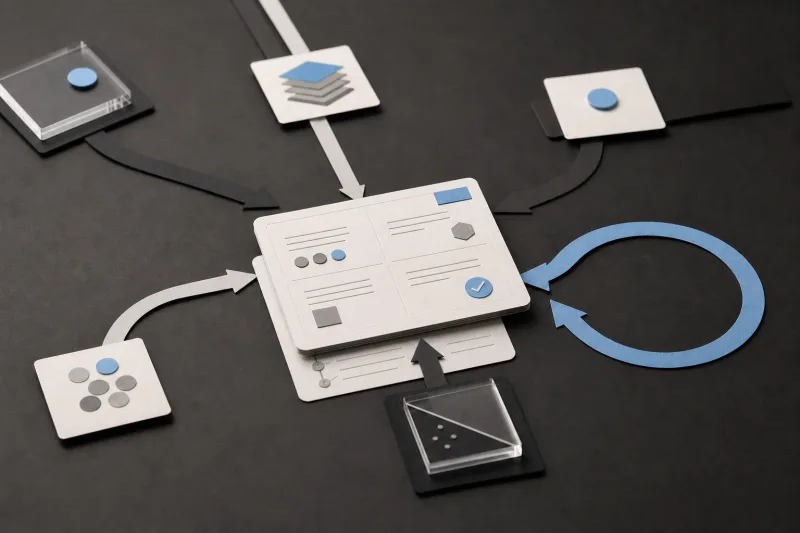
A product decision record preserves the context, evidence, alternatives, assumptions, and reversal triggers behind an important product choice.
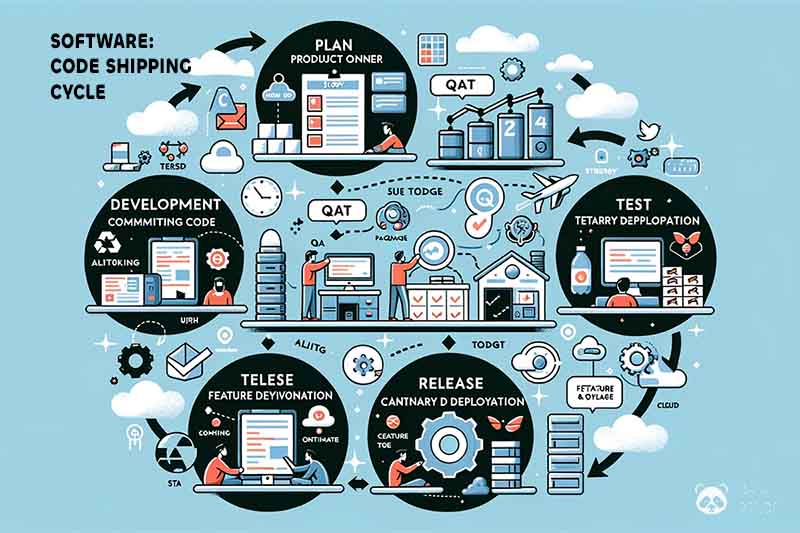
Software deployment is a multi-faceted process that goes well beyond writing code. It involves meticulous planning, development, testing, and eventual release to ensure software quality and reliability.
As the AI product landscape flourishes, businesses and careers are seeing unprecedented growth. Dive into this guide on AI technology and product management to position yourself at the forefront of this dynamic sector.

How does one determine what makes their product unique? What steps should they take to ensure that their product stands out in a sea of competitors? That's where the Product Value Proposition template comes into play.

Once we become acquainted with the "importance vs satisfaction" framework and its associated models, we can explore methods to evaluate opportunities for better needs prioritization.

Understanding how to prioritize customer needs is crucial for a product manager. In this post, we'll explore some prevalent concepts: Gap analysis, Opportunity score and Kano Model
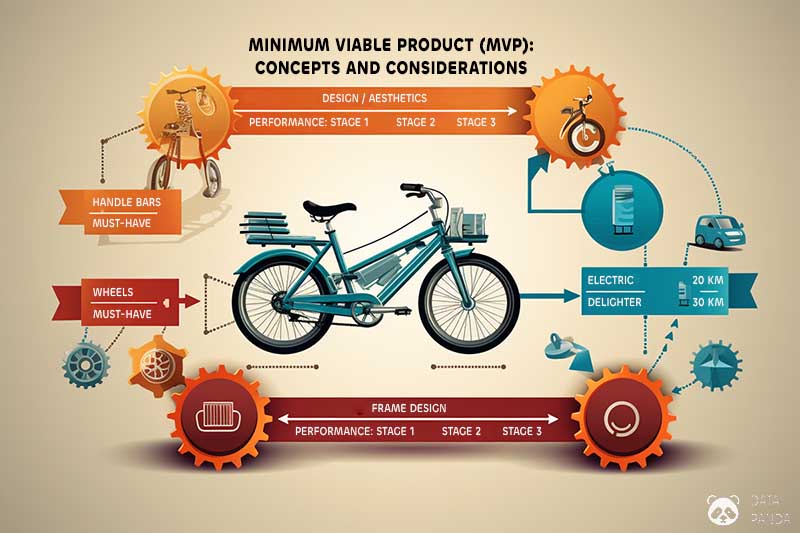
In the dynamic world of product development, one methodology stands out for its simplicity, efficiency, and impact - the MVP or Minimum Viable Product
Once customer needs are identified, the pivotal question arises: Which needs to be addressed? A robust strategy is to prioritize based on customer value.

Almost universal product management strategy that's suitable for many product types and markets. It can guide you through the stages of innovation in order.
In the evolving product design and development landscape, understanding the end-user has never been more critical. As businesses oriented to user centric product, user research becomes more and more important. This guide, a comprehensive walkthrough of user research, aims to arm you with the process and types of research needed to put the user at the heart of your designs.
Understanding data is fundamental in product management. It aids in making informed decisions, gauging product success, and understanding user behavior. The two primary types of data that every product manager should be familiar with are: quantitative data and qualitative data. Lets check the difference:

Learn about customer discovery interview and their importance on early stages of product development and the most common errors.
The concept helps to understand that some improvements just make products better and some change the shape of a market.
Originally developed by Dr. Noriaki Kano in 1984 active practitioner of lean principles, the Kano Model serves as an exceptional tool to gauge and analyze customer emotional responses to product features. This framework allows efficient prioritizing of features for new products.
It is one of the most powerful tools to understand deep customer reasoning.

Lean manufacturing has emerged as a hallmark of success in industries focused on efficiency, quality, and profitability. This deep dive will delve into how lean manufacturing has evolved and its contemporary significance.
While this approach takes root in manufacturing, but still many ideas are used in modern product management.

In the unpredictable world of business, companies constantly strive to establish themselves as leaders in their industry. To achieve this, many turn to tried and tested frameworks to help them identify the best competitive strategy. One of the most renowned of these frameworks is Michael Porter's Generic Strategies.
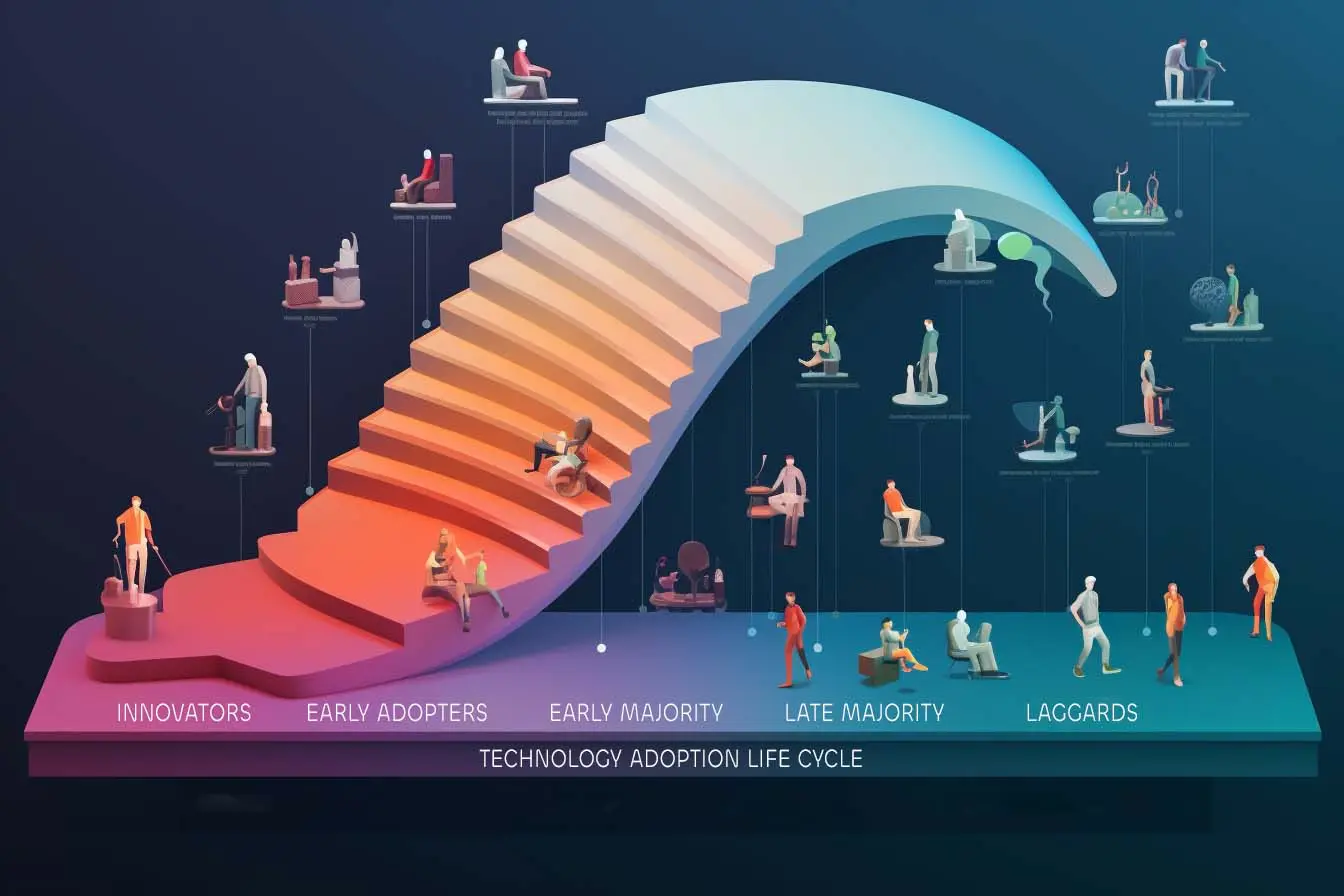
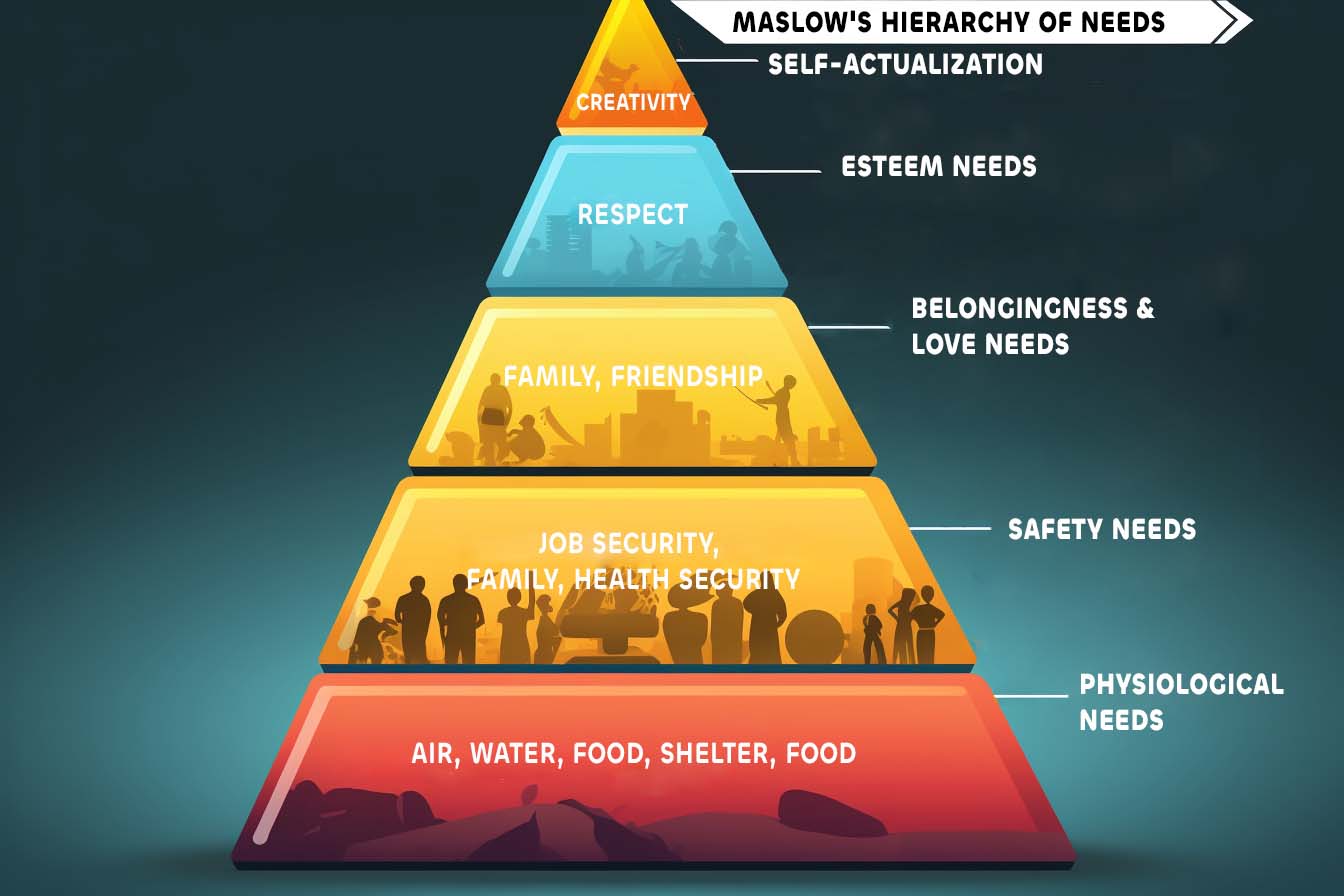
An exemplary illustration of understanding human behavior and need is Maslow’s hierarchy of needs, and it provides ideas on how users structure their thoughts about our products.
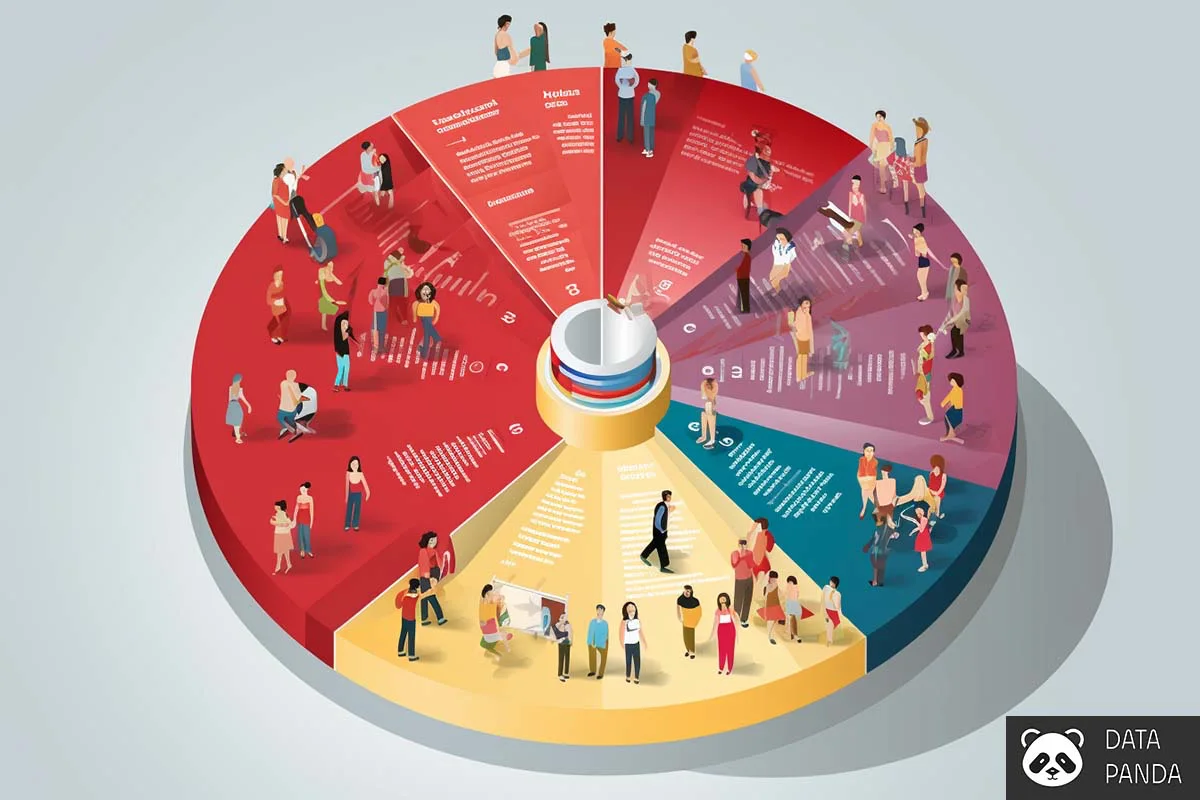
User segmentation is a crucial concept employed to delineate the distinctions among various user groups.